
The coffee personalization generic subscription apps get wrong
Generic subscription apps optimize for one thing: billing simplicity. They’re built to charge the same card the same amount on the same day, and everything else is an afterthought. That’s fine for a boxed razor refill. It’s a problem for coffee, because coffee is exactly the category where the details — roast level, grind size, the specific bean — are what make a subscriber stay or leave.
Where coffee subscribers actually defect
The defection points are specific, and roasters have watched all of them happen:
- A grind that doesn’t match the brewer. Someone on a French press gets a fine espresso grind, or vice versa, and every cup is disappointing. A one-click grind change would have kept them; instead they cancel.
- A roast that’s wrong for them. Beans arrive too dark for how they brew — some subscribers have abandoned plans over grounds that were simply harsher than they wanted. It’s not bad coffee, it’s the wrong coffee for them.
- Wanting to swap, with no way to. A subscriber wants to trade this month’s single-origin for something smoother and can’t — so instead of swapping one box, they cancel the whole subscription.
Every one of these is a small, solvable preference. The subscription doesn’t fail on coffee quality — it fails because the tool won’t let the customer tune the thing that’s bothering them.
The controls a coffee portal has to expose
The fix is treating grind, roast, and bean choice as first-class, self-service controls — not settings locked behind a support request. A coffee-native customer portal should let a subscriber, without emailing anyone:
- Change grind between deliveries as their brewing setup changes.
- Swap the bean or roast for an upcoming box when they want something different.
- Skip, pause, or reschedule when they’re travelling or overstocked.
- Adjust frequency to match how fast they actually drink.
The word that matters is self-service. The moment any of these requires a support email, you’ve converted an easy save into a likely cancellation — because the customer weighing “email them and wait” against “just cancel” often picks cancel. For where this sits in the wider retention picture, see the skip button is your best retention tool.
How grind and roast map to Shopify
The practical mechanics are straightforward once the app runs on Shopify’s own rails. Grind and roast are typically product variants, and a subscription that lives on native Subscription Contracts can let a customer move between eligible variants and products from the portal — because the subscription is stored on Shopify’s standard objects, not a proprietary billing layer that only understands “same SKU, same charge.” Curobi’s Pro plan includes product swaps and quantity changes in the portal for exactly this reason, on top of the skip, pause, and cancel available on every plan.
Personalization is retention, not a feature
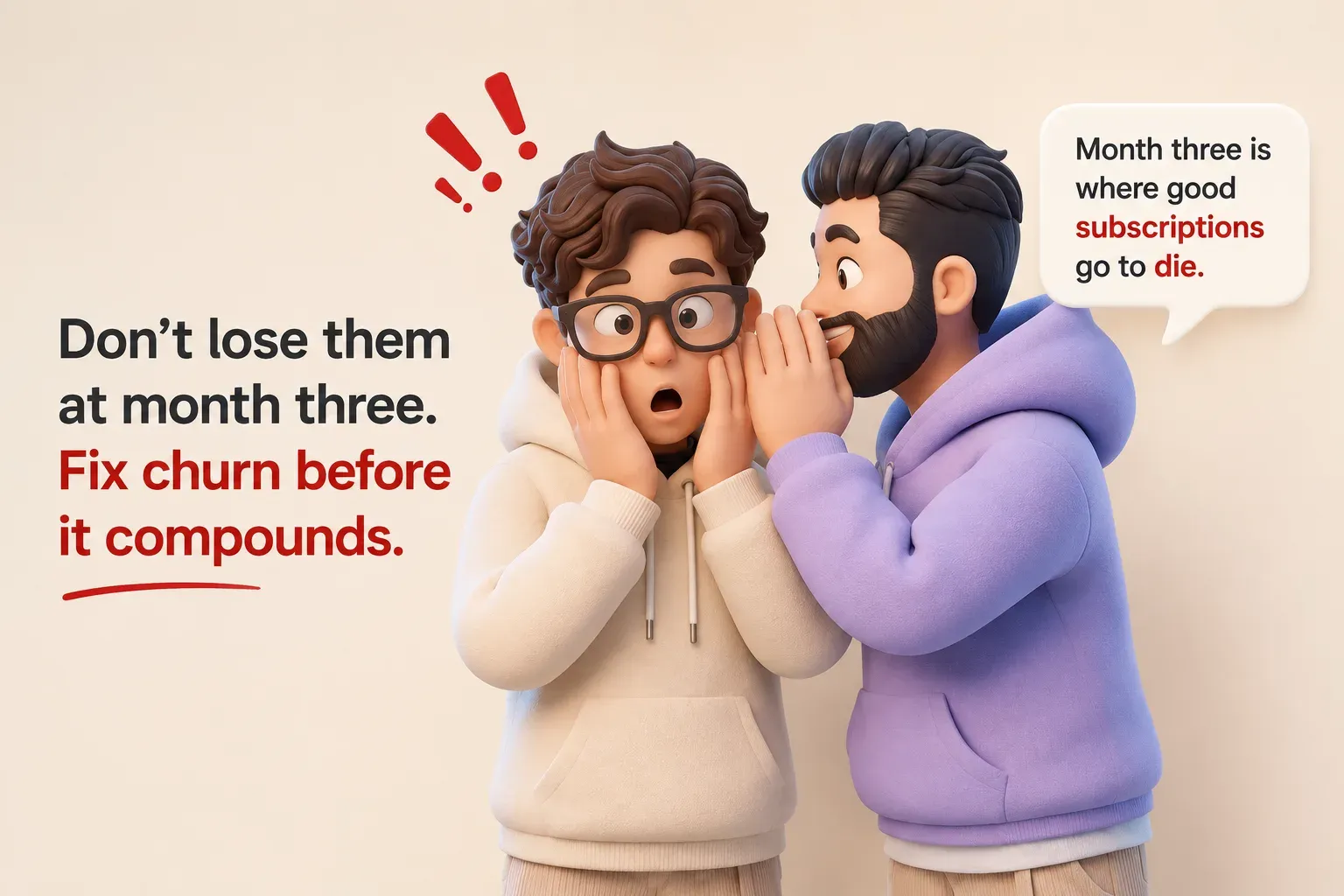
It’s tempting to file grind and roast options under “nice to have.” They’re not — they’re the same fight as churn. A box that feels made for the customer is a box they keep; a box that ignores their brewer and their taste is a commodity refill they cancel around month three. That makes it a margin question as much as a taste one: personalization is one of the levers that decide whether a coffee subscription runs profitably rather than quietly subsidizing churn. Personalization is how a coffee subscription earns the word “subscription” instead of “auto-ship.”
The takeaway
Coffee subscribers leave over grind, roast, and the inability to swap — not usually over quality. Generic, billing-first apps bury those controls or don’t have them, which is why roasters see avoidable cancellations. Put grind changes, bean swaps, and cadence controls directly in the customer’s hands, and the small preference that would have ended the subscription becomes a thirty-second tweak instead. For the full roaster playbook, see how coffee roasters run a subscription on Shopify, and for how these controls are set up in practice, subscriptions for coffee roasters.